
The complete guide
Brewing ground mushroom coffee: cafetiere, filter and moka compared
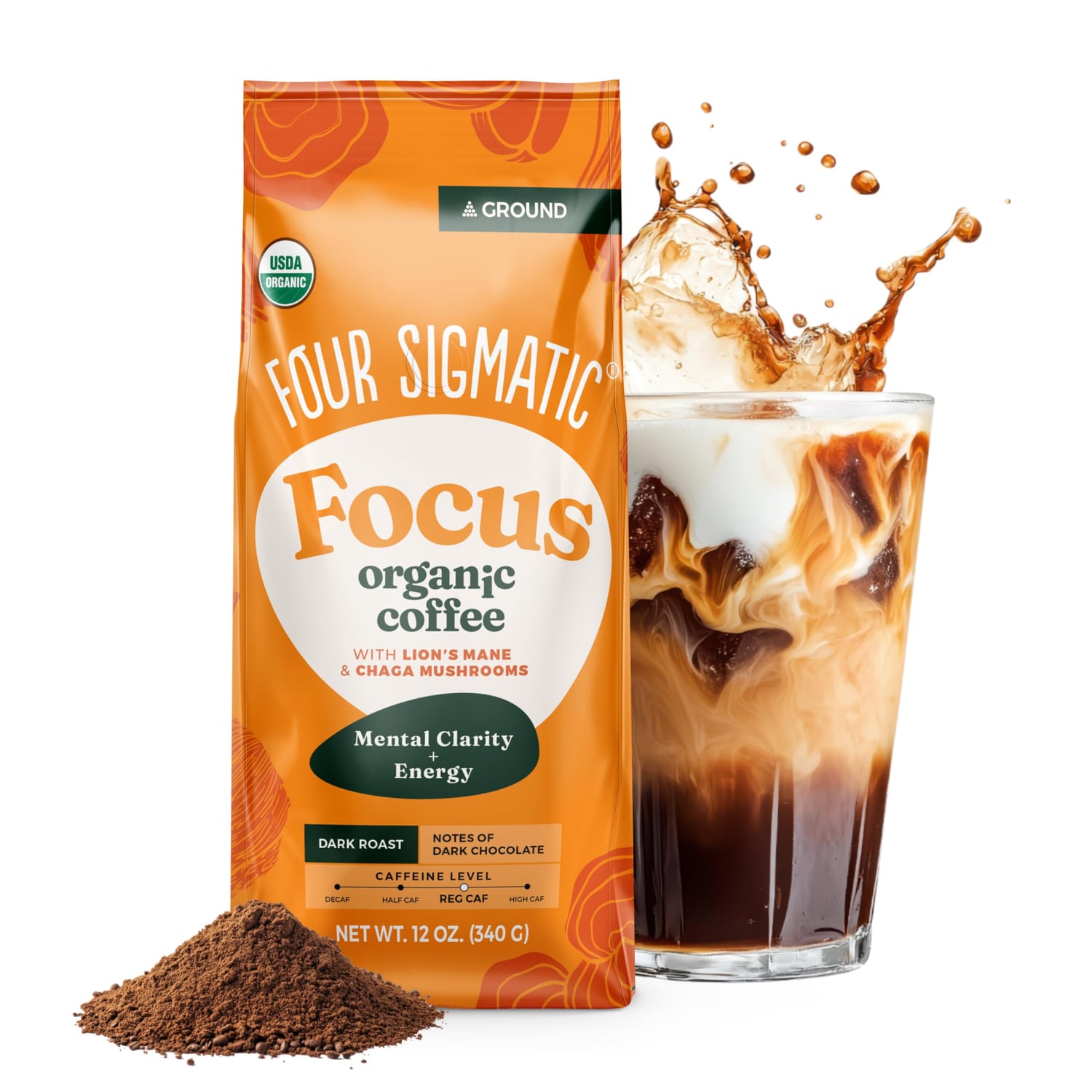
Most mushroom coffee is instant because it's convenient. This one is ground because some people would rather brew a proper cup and simply add the functional side. If that's you, the brewing method changes the result more than the mushrooms do — so here's how to get the best from the bag.
Match the grind to the method
This comes ground for everyday brewers. It shines in:
- Cafetiere (French press). The most forgiving method and arguably the best match for a dark roast — full body, four minutes, plunge slowly.
- Filter / drip. Cleaner, lighter in the cup; great if you find dark roast heavy.
- Moka pot. Intense and espresso-like; use it if you take milk.
Why the dark roast and low acidity help
Single-origin Honduran beans grown at altitude tend to be low in acid, and a dark roast smooths them further. That matters for a mushroom coffee: a harsh, acidic base would fight the earthy notes, whereas a rounded dark roast absorbs them completely.
Fruiting body vs mycelium, in plain terms
Four Sigmatic makes a point of using fruiting bodies — the actual mushroom — rather than mycelium grown on grain. For you as a drinker, the practical upshot is more genuine mushroom content per serving and less grain filler. It's the sort of detail that separates the specialist blends from the bulk ones.
Storing ground coffee properly
Ground coffee stales faster than beans, so treat this bag with a little care:
- Keep it sealed, cool and away from light — not in the fridge.
- Buy a grinder later if you get hooked; until then, use it within a few weeks of opening.
- Don't store it above the kettle; heat and steam are the enemy.
Brew it like the good ground coffee it is, and the Lion's Mane and Chaga come along for free.